

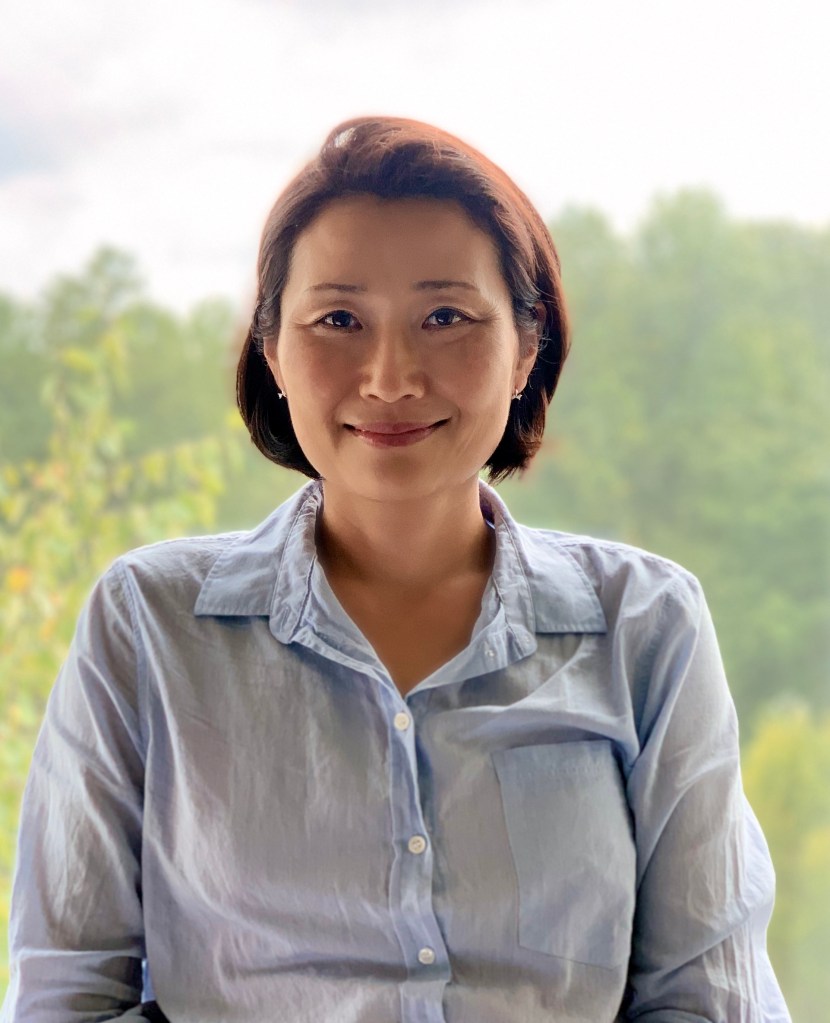
[김천신 金天信]
메릴랜드 인정 임상 전문상담사(LCPC), 미전역 인정 상담사 수퍼바이저 (ACS), 메릴랜드 인정 공인 상담사 수퍼바이저 (Board-Approved Supervisor in MD).
Greetings fellow sojourners,
I am a specialist in Asian-mixed interracial couples, biracial individuals, mixed family, and their children with nearly 20 years of experiences. I have an extensive clinical education and experience in treatment in mental illness, premarital counseling, and relational traumas, such as affair, domestic violence, sexual betrayal, out of control sexual behaviors, partners of sex addicts.
I am a certified Imago Relationship Therapist (CIRT), Association of Partners of Sex Addicts Trauma Specialist (APSATS) Certified Clinical Partner Specialist (CCPS), Trauma-Focused Cognitive Behavioral Therapist (TF-CBT), Certified Positive Psychology Practitioner, and AASECT Certified sex therapist who utilized eclectic approaches to improve overall quality of life. I am also a certified Prepare/Enrich facilitator, Strong Interest Inventory administrator (career assessment), and NEO personality assessment administrator. Further, I am an approved clinical supervisor in MD and VA as well as Approved Clinical Supervisor (ACS). Lastly, I enjoy teaching at the department of Counseling Education and Family Studies at Liberty University as an adjunct faculty. I also serve the counseling profession as a Exam Sensitivity and Bias Review (ESBR) Committee member for National Board of Certified Counselors (NBCC). I obtained my doctorate from Loyola University Maryland and specialized in Counseling Education and Supervision under the Pastoral Counseling Department.
My favorite part of my introduction is about me as a simple, ordinary, and common women. I love to read, write, doodle, walk around the waterside, drink ☕️ and tea 🍵 . I also love to play 🏀 , 🎾 , 🏊♀️ , and doing nothing when I get busy with doing all of these. Listening to rain drop is my favorite sound, which take me into my early childhood. I used to wake up because of rain 🌧, which reminds me of poverty, nature, and resilience. I felt “rich” on those rainy days even though my family struggled financially and my house was “a bit” falling apart 😆.
I’m a curious person in my nature, and it gets me into trouble at times. Oh, well, that is why I am here in the U.S. so it is all good : ) Someday, I love to travel around the world as a ⛺️-maker. (see 1 below) One of my final vision before the end of my day on this earth is to build a retreat center by the river on the hillside for the poor, the wounded, and the hurt for free. I “sort of” can not do that at the present moment and for a while. However, I am a visionary and dreamer who continues to strive until I get where I need to be.
Therefore, in the meantime until I get to my future retreat center, I try out various types of recipes from all over the world and 🖼 and craft projects instead. It still serves the purpose for my life to live well for me and others on behalf of my God.
Thank you for visiting. I hope to see you again soon!
In peace.
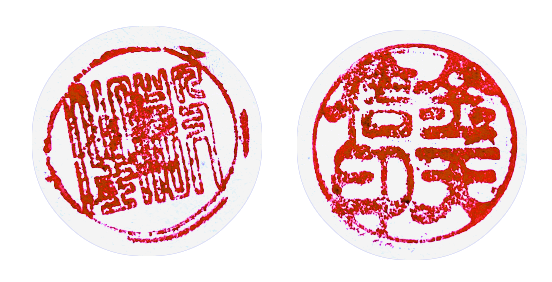
(Kim Chun Shin Bae Sang)
(see 2 below for spiritually embedded meaning for indigenous Korean, “Bae Sang,” which is similar to “sincerely”)
- Tentmaking, in general, refers to the activities of any Christian who, while dedicating him or herself to the ministry of the Gospel, receives little or no pay for Church work, but performs other (“tentmaking”) jobs to provide support. Specifically, tentmaking can also refer to a method of international Christian evangelism in which missionaries support themselves by working full-time in the marketplace with their skills and education, instead of receiving financial support from a Church. The term comes from the fact that the apostle Paul supported himself by making tents while living and preaching in Corinthians (Acts 18:3) (from Wikipedia)
- In standard communication, when writing letters to seniors, write ‘[your full name] 배상(拜上)(Bae Sang, Chinese Korean word, equivalent to indigenious Korean, 올림 (ol lim)’ in the signature column. Also, when sending to the same-year ship, ‘[your first name, in general] 드림 (dream, yes same pronoucination with dream in English!😁Korean folks has plenty of “dreams” 😂’) was used, and ‘[your name] 씀 (Seom, indigenous Korean)’ was written to the lower one. Also, the word 배상(拜上)(Bae Sang, equivalent English meaning for ‘compensation’ )is sometimes used to mean ‘to bow up,’ which was used mainly in polite letters and is not used much today. (adapted from the original source at Korea Langauge Institutue, Retrieved from May 9, 2020 https://korean.go.kr/front/onlineQna/onlineQnaView.do?mn_id=216&qna_seq=983)


 mendingheartsacademy.org